Virtual reality is more than just a fun escape; it's starting to play a big role in our daily lives. From improving how we learn to transforming our leisure activities, VR is changing the game. Imagine stepping into a classroom where you can explore ancient civilizations or dive underwater to study marine life without leaving your home. Sounds amazing, right?
In the workplace, VR can enhance training programs. Instead of the usual PowerPoint presentations, employees can engage in realistic scenarios. This helps them learn skills in a more practical way, making it easier to retain information. Whether it’s practicing presentations or troubleshooting equipment, VR provides a hands-on approach that traditional methods just can’t match.
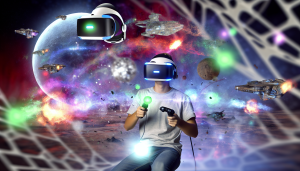
Entertainment is also getting a major upgrade with virtual reality. Whether it’s immersive gaming experiences or virtual concerts, people are enjoying activities like never before. You can team up with friends in a virtual world or enjoy a live performance from your favorite artist right from your living room. The level of immersion makes you feel like you're truly part of the action.
Additionally, VR is proving to be beneficial for mental health. Many people are finding relief from anxiety and stress through virtual environments designed for relaxation and mindfulness. From scenic landscapes to calming guided sessions, these experiences can help individuals unwind and disconnect from the hustle of everyday life.
Benefits for Learning and Education
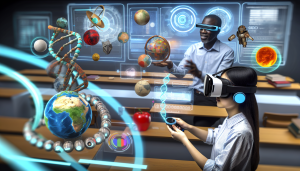
Virtual Reality (VR) is shaking up the way we learn and grow. Imagine stepping into a history lesson where you can walk through ancient Rome, or a science class where you can explore the human body from the inside out. VR makes learning exciting and immersive, turning traditional lessons into unforgettable experiences.
One of the biggest perks of using VR in education is its ability to cater to different learning styles. Whether you’re a visual learner who thrives on seeing things in action or someone who learns best by doing, VR offers something for everyone. It allows you to engage with the material on a new level, making it easier to remember and understand complex concepts.
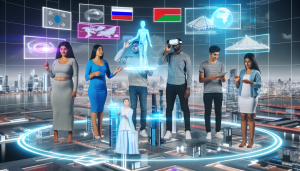
VR also fosters collaboration and social interaction among students. Picture a group project where students from different locations can meet in a virtual classroom, brainstorm ideas, and work together on a shared project. This not only builds teamwork skills but also prepares students for a future where remote and global collaboration is becoming the norm.
Lastly, VR can enhance empathy and cultural understanding. By stepping into another person’s shoes and experiencing life from their perspective, learners can develop a deeper appreciation for diverse cultures and experiences. This helps create a more inclusive and open-minded generation, ready to tackle the challenges of the real world.
Improving Mental Health with VR
Imagine stepping into a world where your worries fade away. That's the magic of virtual reality (VR) for mental health. This technology isn't just about gaming or flashy graphics; it's making a real difference for many people. Whether you're dealing with anxiety, stress, or PTSD, VR can offer fresh ways to tackle these challenges.
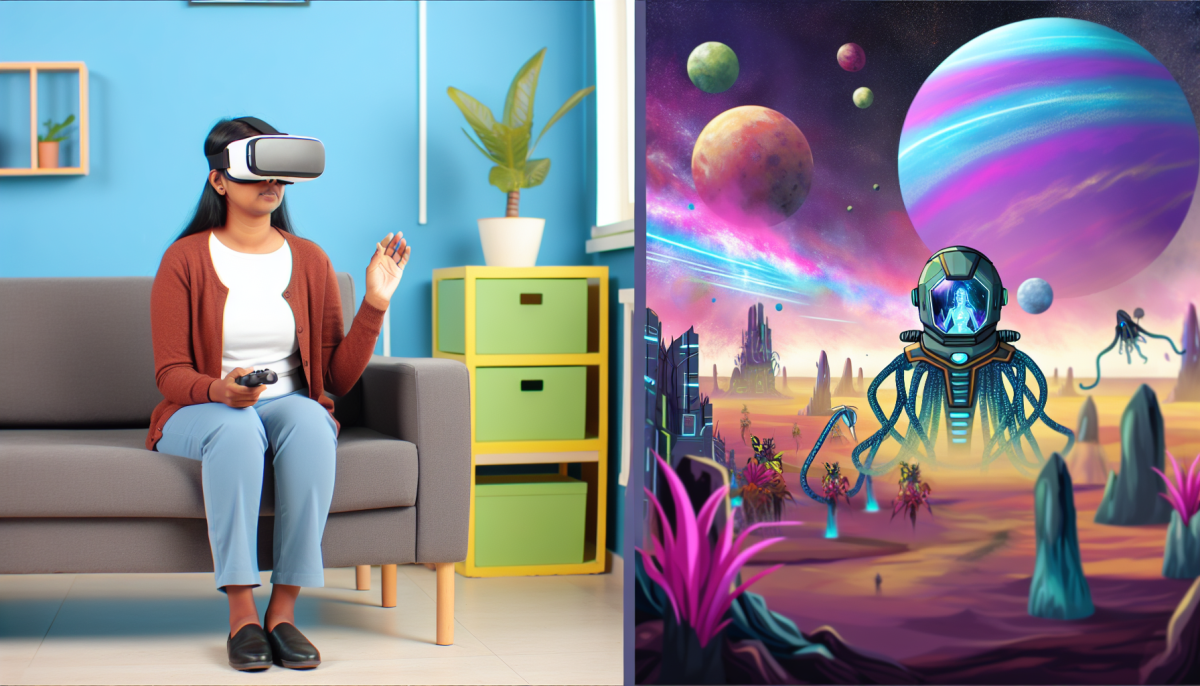
One of the coolest things about VR is its ability to create safe spaces for users. Picture this: you put on a headset and find yourself in a calming environment, like a serene beach or a peaceful forest. These virtual escapes can help you relax and practice mindfulness without leaving your home. It's a great way to take a mental break when life gets overwhelming.
VR therapy sessions can also be tailored to fit your needs. Therapists use VR to guide you through exposure therapy, gradually introducing you to situations that trigger anxiety in a controlled way. This approach can help you face your fears step by step, making it easier to cope with real-world scenarios over time. Plus, it often feels less intimidating than traditional therapy.
Another exciting aspect is the social VR experiences, where you can connect with others in this virtual space. Whether it's joining a meditation session or a support group, being around people who understand what you're going through can be incredibly uplifting. It helps in reducing feelings of isolation and creates a sense of community.
Overall, VR is opening up new avenues for improving mental health. It’s a fun, engaging way to explore feelings, develop coping strategies, and connect with others. It's not a replacement for traditional therapy, but it’s certainly a helpful tool that can complement your mental health journey.
Transforming Social Interactions and Connections
Virtual reality isn’t just about gaming; it’s changing the way we connect with others. Imagine putting on a headset and instantly being transported to a friend's living room, even if they live on the other side of the world. That’s the magic of VR. It brings people together, making long-distance friendships feel a bit more real and personal.
One of the coolest features of VR is its ability to create shared experiences. You can join friends in virtual spaces for activities like watching movies, playing games, or even exploring new places together. It’s like hanging out in person, but you don’t have to worry about snacks or making travel plans! Just grab your headset and jump in.
For those who might feel shy or unsure in face-to-face interactions, VR can be a game changer. It offers a comfortable space to practice social skills and express yourself in a way that feels safe. Plus, the immersive environment can help people step outside of their comfort zones, fostering connections they might not explore otherwise.
Whether it's for casual meet-ups or deeper conversations, VR is redefining our social interactions. It blurs the lines between virtual and real-life connections, proving that you don’t need to be in the same room to share memorable moments with friends and loved ones. So next time you put on those goggles, think about all the awesome ways you can connect!