Augmented reality (AR) is buzzing with excitement as new innovations are just around the corner. With tech giants and start-ups competing to bring the next big thing to life, it's hard not to get caught up in the anticipation. Imagine walking through your neighborhood and getting real-time updates on local shops, history, or even community events, all thanks to AR technology. It’s like having a digital companion that helps you explore your world in a whole new way!
One of the most thrilling advancements on the horizon is the integration of AR with artificial intelligence (AI). Picture this: you’re trying to fix that stubborn leaky faucet, and with a quick scan, your AR glasses overlay step-by-step instructions right in your line of sight. This kind of hands-on guidance could make everyday tasks feel a lot less daunting and a whole lot more fun!
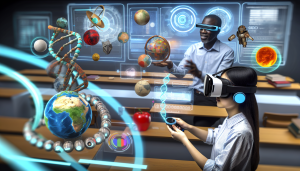
Another area to keep an eye on is AR’s role in education. Imagine being a student learning about the solar system while witnessing a 3D model of planets rotating around you in your classroom. This kind of immersive experience can spark curiosity and make learning more engaging than ever before. Schools and educators are starting to embrace these tools, making lessons come alive in a way that textbooks simply can’t.
Let’s not forget about AR in gaming too! The success of games like Pokémon GO has opened up a world of possibilities for developers. Soon, we might see AR games that blend seamlessly into our environments, allowing players to interact with their surroundings in ways we’ve never dreamed of before. Whether it’s battling monsters in your backyard or teaming up with friends to find hidden treasures, gaming is about to get a big upgrade.
- How AR Will Change Everyday Experiences
Augmented reality (AR) is set to change the way we interact with the world around us. Imagine walking through a city and having information about historical landmarks pop up on your phone or smart glasses as you pass by. You’ll not only see the sights but also learn about their significance right on the spot. It’s like having a personal tour guide with you at all times!
Shopping is another area where AR will make a big splash. Picture this: before buying that new pair of shoes, you can try them on virtually. A quick scan of your foot can show you how they would look without ever stepping into a store. This means fewer returns and a more enjoyable shopping experience. Plus, many brands are investing in AR apps to let you see how furniture fits in your space or how that new outfit looks on you, all from the comfort of your home.
Then there’s education. AR can transform classrooms into interactive learning spaces. Students can explore the solar system right from their desks or dive into a virtual lab without any messy experiments. This hands-on learning approach can make complex topics more accessible and exciting, helping students engage deeply with the material.
In the workplace, AR can improve collaboration and training. Imagine being able to overlay instructions onto machinery while you fix it, or having colleagues in different locations join a virtual meeting where they can see the exact same models or data in real-time. This will not only boost productivity but also create a more cohesive team environment, no matter where everyone is located.
- Key Industries Embracing Augmented Reality
Augmented Reality (AR) is not just a buzzword; it's becoming a game changer across various industries. Let's take a closer look at how some key sectors are diving into AR technology and transforming their operations.
Retail: Imagine walking into a store and being able to visualize how that sofa will look in your living room before you purchase it. Retailers are using AR to create immersive shopping experiences. Apps let you place 3D models of furniture or clothing right in your own space. This not only enhances customer satisfaction but also boosts sales!
Healthcare: AR is making strides in the medical field, from training to surgery. Surgeons can use AR to overlay digital images on top of a patient’s anatomy during operations, improving accuracy and outcomes. Additionally, medical students are using AR to practice procedures in a risk-free environment, making learning more interactive and effective.
Education: Classrooms are becoming livelier with AR tools. Instead of just reading about the solar system, students can use AR apps to explore planets up close. This interactive method of learning helps students grasp complex topics better and keeps them more engaged in the material.
Real Estate: For home buyers, AR is a dream come true. Virtual tours allow potential buyers to explore properties from anywhere in the world! Plus, real estate agents can provide a detailed look into properties by integrating AR features, making the buying process smoother and more informative.
- The Rise of AR in Education and Training
Augmented Reality (AR) is making waves in education and training, transforming how we learn and develop skills. Imagine walking into a classroom where historical events come to life right in front of you or a training session where you can practice surgery on a virtual patient. Sounds cool, right? That’s the reality AR is bringing to the table.
One of the best things about AR in education is its ability to make learning interactive and engaging. Instead of just reading from textbooks, students can visualize complex concepts. For example, in science classes, students can explore the human body in 3D or see how chemical reactions happen right before their eyes. This hands-on approach makes it easier to understand and retain information.
In training settings, businesses are starting to adopt AR for onboarding and skill development. Think about it: new employees can use AR to simulate real-world scenarios without the pressure of actual stakes. This not only boosts their confidence but also reduces mistakes when they’re on the job. Plus, it makes training sessions less boring and more memorable.
Many educational institutions and companies are already jumping on the AR bandwagon, and it’s exciting to see how this technology will continue to evolve. As AR apps become more accessible, we can expect to see even more innovative uses that cater to different learning styles and needs. Get ready, because the classroom of the future is just getting started!