Augmented reality (AR) in education is all about blending the real world with digital information to enhance how we learn. Imagine looking at a textbook and using a smartphone or tablet to see 3D models pop up right off the page. That’s AR in action! It makes lessons more engaging and helps students connect concepts with real-life applications.
One of the coolest things about AR is that it allows students to explore and interact with subjects in ways that traditional methods can’t. For instance, in a science class, instead of just reading about the solar system, students can view the planets rotating around the sun from different angles. It transforms learning into an exploration rather than a memorization task.
Teachers are loving how AR not only grabs students’ attention but also supports different learning styles. Visual learners, for example, benefit from the interactive graphics, while kinesthetic learners can touch and manipulate digital objects. This creates a richer, more inclusive classroom environment where everyone can thrive.
Using AR in the classroom doesn’t have to be complicated. Many apps are user-friendly and easy to integrate into lessons. Just a few tools can turn a regular lecture into an interactive experience, making learning fun and memorable. Plus, it encourages students to be active participants in their education!
Benefits of Using Augmented Reality Tools
Augmented reality (AR) tools are changing the way we learn and interact with information. Imagine being able to visualize complex concepts right in your classroom or home. With AR, students can see 3D models of historical monuments, anatomical structures, or even scientific processes, all coming to life before their eyes.
One of the biggest benefits of AR is engagement. Learning can sometimes feel dull, but AR makes it interactive and fun. Instead of staring at textbooks, students can explore and manipulate digital objects. This hands-on approach helps reinforce learning and can lead to better retention of information.
AR tools also cater to different learning styles. Some students are visual learners, while others grasp concepts through hands-on experience. With AR, these tools can help bridge the gap, allowing everyone to find a way that suits them best. It’s all about making education more inclusive and adaptable to each learner’s needs.
Another cool aspect of AR is its ability to promote collaboration. Students can work together, sharing their AR experiences and learning from each other. Whether it’s building a project or exploring a virtual field trip, teamwork becomes a natural part of the learning process. This not only improves social skills but also fosters a sense of community in the classroom.
Engaging Students Through Interactive Learning
Interactive learning is all about getting students involved in their education. With augmented reality (AR), this involvement hits a whole new level. Imagine students stepping into a 3D world where they can explore the solar system or walk through ancient ruins—all from their classroom. This hands-on experience keeps them engaged and makes learning fun.
AR tools allow educators to create lessons that pop right off the page. Instead of just reading about historical events or scientific concepts, students can actually interact with them. For example, a history lesson could transform into a virtual tour of a battlefield, letting students see and understand the context like never before. It helps them connect the dots and remember the information much better.
Another great perk of AR is that it caters to different learning styles. Some students thrive with visual aids, while others prefer kinesthetic learning—getting their hands on things. With AR, you can touch and manipulate digital objects, catering to various preferences. This flexibility ensures that everyone in the classroom can get the most out of their learning experience.
Plus, using AR can spark creativity and critical thinking. Students aren’t just passive recipients of information; they become active participants. They can experiment, ask questions, and solve problems in real-time. By challenging them to think differently, AR boosts their confidence and curiosity, encouraging a deeper love for learning.
Future Trends in Educational Technology
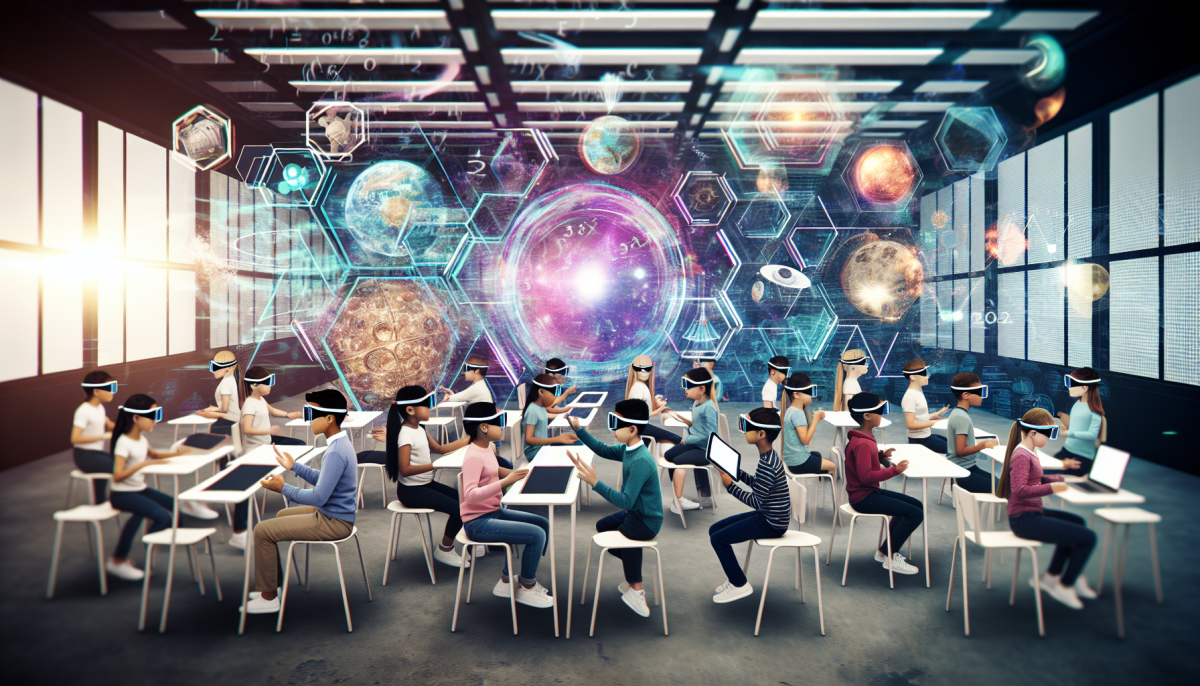
As we look to the future, the landscape of educational technology is shifting fast thanks to innovations like augmented reality (AR). Imagine walking into a classroom where students can interact with virtual dinosaurs or explore the human body in 3D right from their desks. This immersive experience not only makes learning more engaging but also helps students grasp complex concepts more easily.
One of the exciting trends is the integration of AR with everyday learning tools. Devices like tablets and smartphones are becoming more powerful, enabling AR apps that turn any surface into a learning platform. This means that lessons can be brought to life anywhere—at home, in museums, or even outside. It’s all about making learning an adventure!
We’re also seeing a rise in personalized learning experiences powered by AR. With these technologies, students can learn at their own pace, revisiting topics they find challenging with interactive elements that keep them motivated. Imagine a world where struggling students can visualize problems rather than just reading about them in a textbook.
Collaboration will also be taken to the next level. Future classrooms might combine AR with virtual reality (VR) to create shared learning environments. Students from different locations could team up on projects, experiencing lessons together as if they were in the same room. This not only encourages teamwork but also opens doors to cultural exchanges and diverse perspectives.